
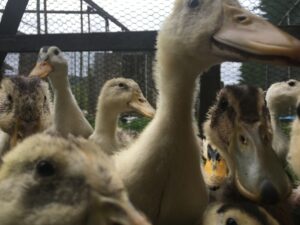
What’s Next for Avian Influenza?
This article discusses what’s next for avian influenza, focusing specifically on the Pacific Flyway but the general message is applicable elsewhere. Action on Avian Influenza really lies at the hands of regulators. The environmental contamination is likely to persist for some time, based on the number and continued frequency of detections among many populations of

Small Flocks and Avian Influenza
This article provides information on small flocks and how avian influenza impacts small flock poultry operations, specifically in regards to the Pacific Flyway, while the general message is applicable elsewhere. Based on reports of infected flocks, the current avian influenza virus shows little discrimination among the species it targets. Canada alone has reported significant die-offs
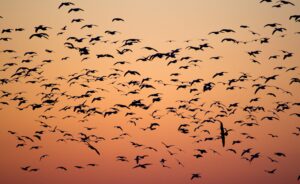
Avian Influenza Background and Timing
This article provides avian influenza background and timing in regards to the Pacific Flyway, but the general message is applicable elsewhere. Background In our newfound world of pandemic awareness, it seems not even our feathered friends have been spared from pandemic impacts. Highly Pathogenic Avian Influenza (HPAI) has continued its pre-Covid scourge of our world,
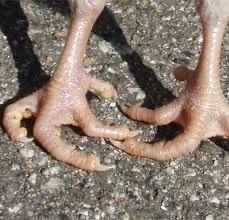
Crooked Toes in Poultry
Our American Poultry Association Standard of Perfection reflects that a crooked toe is a defect that results in a .5 to 2 point deduction per toe. Are you curious about the cause of crooked toes in poultry? Numerous scientific studies have been completed on the defect. I reviewed several of the studies and have summarized
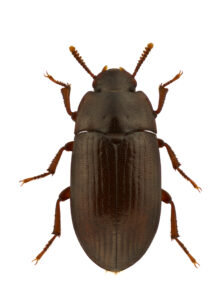
Beetles and Poultry
Darkling Beetles The darkling beetle or lesser mealworm, Alphitobius diaperinus, is rapidly becoming more of a nuisance in poultry operations. Large populations of beetles sometimes migrate to nearby residential areas, especially after litter cleanout. Although the beetles can fly up to a mile, most crawl at night from litter disposed in fields neighboring homes. Beetles are often
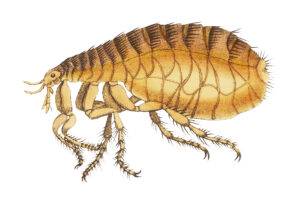
Fleas: How do they impact poultry
Fleas are occasionally found in the poultry house. They are usually first noticed in the litter, where a wide range of hosts are attached, including rats, mice, chickens and people. Bites annoying egg handlers occur primarily on the ankles and legs, causing a swollen itchy spot. The adult flea, an excellent jumper, passes through a